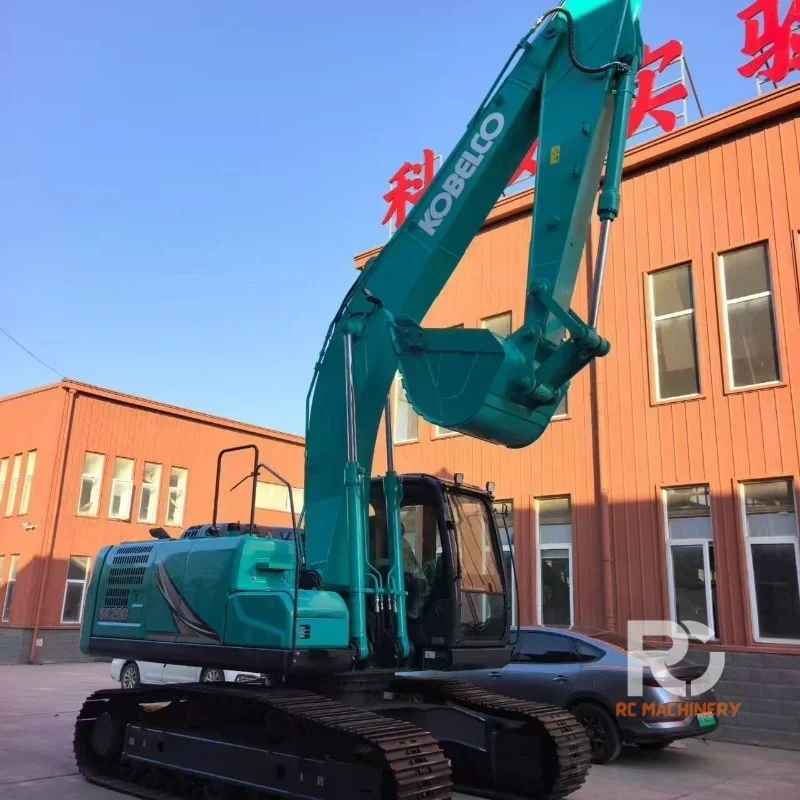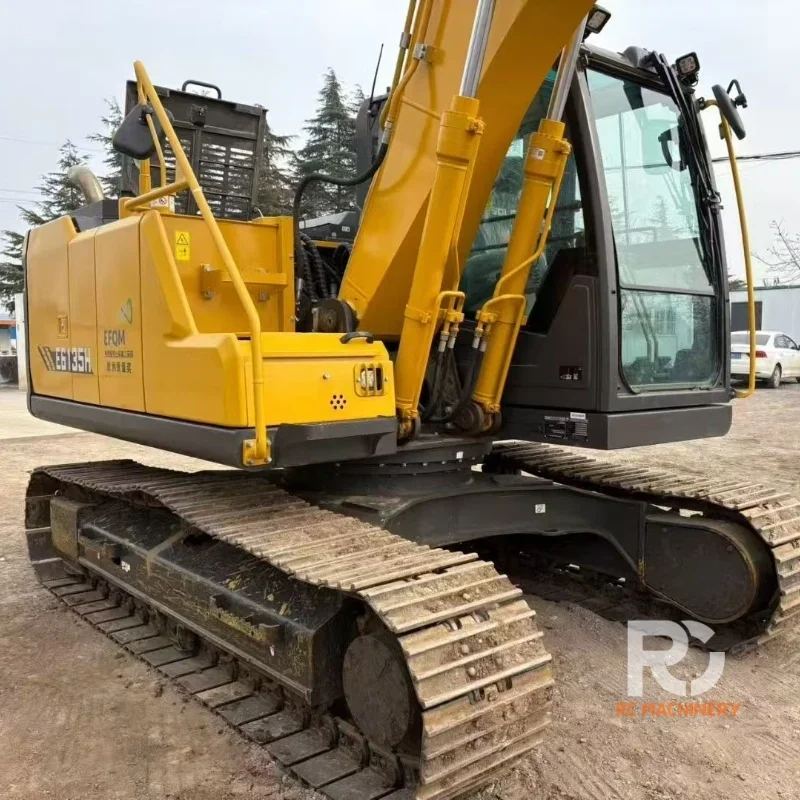






In the world of heavy equipment, reliability is currency. When evaluating used excavators or any heavy asset, most buyers focus on the obvious: undercarriage wear, hydraulic cylinder drift, and service meter readings. However, one of the most telling indicators of future mechanical failure is often overlooked because it is considered purely cosmetic: the engine bay.
The accumulation of dust, grime, and caked-on dirt in the engine compartment of other machinery—such as wheel loaders, dozers, and graders—tells a silent story. While a clean engine might indicate a meticulous owner, a dirty one isn’t necessarily a red flag. Instead, it is the texture, location, and thickness of that grime that reveal the truth. This guide explores the science of “The Dust Index”—a diagnostic method used by seasoned inspectors to determine whether an engine is merely dusty or harboring a catastrophic leak (hidden trouble).
1. The Physical Mechanics of Engine Compartment Contamination
To accurately assess used excavators for oil loss, one must first understand how contamination occurs. An engine compartment operates as a sealed system under extreme duress. When a machine is in operation, the cooling fan pulls massive volumes of ambient air through the radiator and into the engine bay. In construction environments, this air carries silica dust, clay particles, and pulverized rock.
1.1 The Adhesion Process
Clean engine surfaces have a static charge and a smooth metallic finish. When a microscopic oil leak begins—perhaps from a valve cover gasket or a turbocharger feed line—it does not immediately pool on the ground. Instead, it atomizes. The oil mist mixes with the incoming dust. This creates an adhesive sludge. Over a period of 50 to 100 operating hours, this sludge builds layers. The thickness of this layer is directly proportional to the duration and severity of the leak.
1.2 Distinguishing Operational Dirt from Leak-Induced Grime
There is a distinct difference between “dust” and “mud.” A standard layer of dry dust across the surface of an engine block indicates regular operation in a dusty environment. It is uniform and easily brushed away. However, when inspecting other machinery like excavators or compactors, a wet, greasy texture indicates active seepage. If the dust has formed stalactites or thick, crusty ridges around bolt heads and mating surfaces, it confirms that hydraulic oil or engine lubricant is actively breaching the seals. For the inspector, the thickness of this crust is the primary indicator of remaining component life.
2. Secondary Title: The Diagnostic Zones of the Engine Bay
 Not all dust is created equal, and location dictates diagnosis. When evaluating the structural integrity of used excavators, it is inefficient to inspect the entire engine bay. Instead, the inspector should focus on three high-risk zones where dust accumulation patterns reveal specific failure modes.
2.1 Zone One: The Top End (Valve Covers and Rocker Boxes)
The top of the engine is the most accessible area but often the most deceptive. In many excavator models, the valve cover sits under a plastic shroud or sound-dampening insulation. If an inspector only looks at the outer engine cover, they miss the primary leak source.
A healthy engine top-end will have a uniform layer of fine, dry dust. However, if the dust around the valve cover bolts is thick—exceeding 3 to 5 millimeters—and feels spongy to the touch, it indicates a failing valve cover gasket. Because the top of the engine is the highest point, oil leaks here usually result from pressure buildup within the crankcase (blow-by). For used excavators with high hours, a thick, tar-like accumulation around the oil filler neck is a direct indicator of excessive blow-by, suggesting worn piston rings. This type of grime is a precursor to total engine failure, requiring immediate remediation before purchase.
2.2 Zone Two: The High-Pressure Hydraulic Interface
This is the most critical zone for excavator evaluation. The hydraulic pump is typically mounted to the engine bell housing or driven by a gear train. Here, the stakes are higher than engine oil leaks. Hydraulic oil operates at pressures exceeding 3,000 to 5,000 PSI. When a high-pressure hose, pump shaft seal, or fitting develops a micro-fracture, it does not “drip”—it “aerosolizes.”
When inspecting other machinery such as excavators or material handlers, look at the area between the engine block and the hydraulic pump. If the dust in this region has formed a thick, gummy paste that is difficult to scrape off with a fingernail, it is almost certainly hydraulic oil mixed with atmospheric dirt. The thickness of this paste indicates the duration of the leak. A thin film is acceptable; a buildup that obscures the casting numbers on the pump housing indicates that the pump seal is failing. Ignoring this dusty deposit will lead to catastrophic pump failure, costing tens of thousands of dollars in repair and downtime.
3. Analyzing Thickness Gradients for Leak Severity
To standardize the inspection of used excavators, it is helpful to categorize dust thickness into measurable gradients. This transforms a subjective visual inspection into a quantifiable risk assessment. The thickness of the accumulated grime directly correlates with the time-to-failure for seals, gaskets, and hoses.
3.1 Gradient 1: The Dry Film (0–1 mm)
This is the ideal state. A dry film of dust is uniform across the engine block, hoses, and wiring harnesses. It suggests that the engine has been running in dusty conditions but that all gaskets, seals, and connections are intact. For other machinery in this category, preventative maintenance is likely current. The risk of immediate oil loss is negligible.
3.2 Gradient 2: The Tacky Layer (1–3 mm)
This indicates an active seep. At this stage, the dust does not blow off when the engine is idling; it adheres due to a thin layer of oil vapor. Often found around turbocharger drain lines or hydraulic swivel joints, this thickness signifies a minor leak that is not yet dripping onto the ground. While not an emergency, it is a warning. In used excavators, a tacky layer around the swing motor or final drive motors suggests the seals are beginning to harden. If left unchecked, this will progress to Gradient 3 within 200 to 300 operating hours.
3.3 Gradient 3: The Crust (3–5 mm)
At this level, the deposit is no longer a film—it is a structural crust. This is most common around the valve cover gaskets, oil pans, and hydraulic tank caps in excavator fleets that have been neglected. The thickness creates an insulating effect, trapping heat against the component. For rubber hoses, this heat accelerates the hardening of the rubber, leading to sudden bursts. For aluminum components, the trapped moisture within the crust can cause galvanic corrosion. If a machine reaches this gradient, the cost of cleaning and re-sealing the affected components often exceeds the short-term value of the asset.
4. The Relationship Between Dust, Heat, and Seal Deterioration
The presence of thick dust is not merely an aesthetic issue; it is a thermodynamic one. For used excavators operating in high-ambient-temperature environments, the relationship between caked-on grime and seal failure is cyclical and destructive.
4.1 Thermal Insulation Properties
Engine and hydraulic systems are designed to dissipate heat through the metallic surfaces of the block, coolers, and reservoirs. When a thick layer of oil-soaked dust accumulates—common on the underside of excavator swing frames and engine oil pans—it acts as a blanket. This insulation prevents proper heat dissipation. As internal temperatures rise, the viscosity of the oil breaks down. Simultaneously, rubber and synthetic seals (like crankshaft seals and O-rings) begin to harden and lose their elasticity.
4.2 Accelerated Wear via Abrasion
Thick dust buildup does not stay static. As the engine vibrates and flexes under load, the hardened particles of silica (sand) embedded in the sludge act as a grinding compound. On other machinery, such as articulated trucks, a thick layer of dust on the steering cylinders can score the chrome rod. Once the rod is scored, the cylinder seal is destroyed, leading to a massive oil loss. When inspecting used excavators, a thick, crusty buildup around the hydraulic cylinder glands is a guarantee of imminent seal failure, regardless of how the machine appears to operate in the moment.
5. Inspection Methodology: Beyond the Visual
To accurately assess used excavators for hidden leaks, an inspector must engage in a tactile inspection. Visual assessment alone can be misleading, as some sellers pressure-wash engine bays to hide active leaks. However, a pressure wash does not remove the evidence of thickness; it merely relocates it.
5.1 The Finger Test
This is the gold standard for evaluating other machinery like skid steers and excavators. An inspector should run their finger (protected by a glove) along the underside of the engine oil pan and the hydraulic tank. If the surface is dry and dusty, the machine is tight. If the finger comes away with a black, greasy paste that smells of burnt oil or hydraulic fluid, there is an active leak. The thickness of the paste on the glove indicates how long the leak has been ignored.
5.2 The Weep Detection
Modern excavator engines utilize high-pressure common rail fuel systems. Fuel leaks are often misidentified as oil leaks. An inspector should look for “clean streaks” in the dust. If there is a layer of thick dust on the engine block, but a specific trail or path is washed clean (shiny metal), it indicates a high-pressure leak that is spraying fluid with enough force to clean the dust away. This is dangerous because high-pressure fuel or oil leaks pose a fire hazard. In the context of used excavators, finding these “clean streaks” near the injectors or fuel lines is an immediate disqualifier for purchase unless rectified.
6. Common Problem Areas Across Different Machinery Types
While the principles remain constant, the application varies across different assets. When evaluating used excavators, the focus is on upper structure rotation. For other machinery, the focus shifts based on configuration.
6.1 Crawler Excavators and Rotary Joints
For excavator models, the central rotary joint (swivel) is the most common source of hidden leaks. Located under the cab, this joint allows hydraulic oil to flow from the upper structure to the undercarriage. Dust accumulates heavily in this area. If the dust around the rotary joint is thick and wet, it indicates that the internal seals are failing. This is a labor-intensive repair requiring the cab to be lifted or the track frame to be removed. Thickness here is a major bargaining chip in price negotiation.
6.2 Wheel Loaders and Transmission Housings
For other machinery like wheel loaders, the articulation joint and transmission housing are critical zones. Wheel loaders operate in environments with high silica dust (quarries and mines). The transmission cooler lines often run through the articulation joint. A thick buildup of dust on the transmission filter housing or around the dipstick tube indicates that the transmission is overheating and blowing fluid out of the breather. This suggests internal wear that is not visible in the cab.
7. The Economic Impact of Neglected Grime
The financial rationale for using dust thickness as a diagnostic tool is compelling. For buyers of used excavators, ignoring the “Dust Index” can lead to acquisition costs doubling within the first year of ownership.
7.1 Cost of Cleaning vs. Cost of Repair
A professional engine bay degreasing and steam cleaning for a standard excavator costs between $300 and $800. A hydraulic pump replacement costs between $8,000 and $20,000. When an inspector finds Gradient 3 crust (3–5 mm) on a hydraulic pump, it is statistically likely that the pump’s shaft seal has been compromised. The dust thickness is a proxy for how long the machine has operated with contaminated cooling fins and compromised seals.
7.2 Downtime Analysis
For contractors relying on other machinery to meet project deadlines, the hidden cost is downtime. A machine that appears to run fine with thick, oily grime is a machine that will fail in the middle of a project. By assessing the dust accumulation during the initial inspection, buyers can predict whether the machine will survive a 500-hour project without major service intervention. Thick, wet accumulations indicate that the machine is living on borrowed time.
8. Evaluating Aftermarket Cleaning: The Wash-Off Effect
A common tactic in the sale of used excavators is “jet washing”—using high-pressure steam to remove all dirt and grime from the engine bay. While this makes the machine look appealing, it erases the diagnostic history. However, even after a wash, a skilled inspector can still assess the risk.
8.1 Residual Staining
Even after aggressive cleaning, the residue left by long-term oil leaks remains. Aluminum components that have been soaked in hot engine oil for thousands of hours develop a dark, stained patina that does not wash off. When inspecting other machinery, if the engine block is uniformly clean but the cylinder head shows dark stains around the gasket line, it confirms a prior leak that was cleaned up. The buyer must then ask why the leak was fixed. Was it a simple gasket, or was it masking a cracked head?
8.2 Corrosion Under the Grime
One of the dangers of thick dust buildup is moisture retention. In excavator applications, machines often sit idle in humid environments or rain. The thick layer of dust acts like a sponge, holding moisture against electrical connectors and sensors. When sellers pressure-wash this grime away, they often reveal corroded wiring harnesses and rusted sensor ports. If the engine bay is suspiciously clean—yet the surrounding frame is dirty—it is a strong indicator that the seller is hiding oil loss issues. In this scenario, the absence of dust is just as informative as its presence.
9. Integrating Dust Analysis into the Pre-Purchase Checklist
For fleet managers and individual owners looking to purchase used excavators or other machinery, the dust analysis should be formalized in the inspection checklist. This moves the evaluation from a subjective “looks dirty” to a quantifiable metric.
9.1 The Four-Point Inspection
A systematic approach involves four specific points:
-
The Oil Pan: Feel the bottom surface. Dry dust is good; a wet drip line indicates rear main seal failure.
-
The Valve Cover Junction: Check the interface between the cylinder head and the valve cover. Thick buildup here indicates blow-by.
-
Hydraulic Pump Mounting Face: The area where the pump bolts to the engine. Thick, black paste here indicates pump shaft seal failure.
-
The Radiator Core: While not an oil leak, a thick layer of dust on the radiator indicates poor maintenance. For excavator models, if the radiator is clogged with dust, the engine runs hot, which increases crankcase pressure, which in turn forces oil out of gaskets. It is all interconnected.
9.2 Documentation for Negotiation
When a buyer identifies Gradient 3 crust on critical components of used excavators, it provides leverage. The estimated cost of repair is not just the parts; it includes the labor to remove the thick, abrasive grime to access the leak. By quantifying the “dust thickness” in the inspection report, the buyer can justify a reduction in the asking price, reflecting the immediate maintenance required to bring the machine to a reliable standard.
10. Conclusion
In the heavy equipment industry, the difference between a profitable asset and a liability often lies in the details. While high-tech diagnostic tools—such as thermal imaging and oil sampling—have their place, they require time and laboratory access. The “Dust Index” offers an immediate, cost-free, and highly accurate diagnostic method.
By evaluating the thickness, texture, and location of grime in the engine bays of used excavators and other machinery, inspectors can peer into the machine’s history. A thin layer of dry dust tells the story of a well-maintained machine operating in its natural environment. A thick, crusty, wet buildup tells the story of neglected leaks, failing seals, and impending mechanical failure.
For anyone serious about acquiring reliable assets, the practice of reaching into the engine bay and feeling the dust should become second nature. It is a test that cannot be falsified by a fresh coat of paint or a reset meter. In the end, the dust does not lie; it simply accumulates, waiting for an inspector wise enough to read its layers. By adhering to this inspection methodology, buyers protect their capital, ensure higher uptime, and secure the long-term value of their heavy equipment investments.