





1. The Most Overlooked Guardian of Your Investment
In the world of heavy machinery, operators and owners often focus their attention on the obvious components. The hydraulic pumps, the undercarriage, the main engine block—these are the areas where most preventative maintenance budgets are allocated. However, nestled on top of the radiator, often hidden under a dusty cowling, lies a component so simple in appearance that it is frequently dismissed. This is the radiator cap.
For those who deal with used excavators and other heavy machinery, the concept of a “simple cap” seems trivial compared to the complex electronics or the brute force of the hydraulics. Yet, this small piece of engineering is arguably one of the most critical safety and performance devices on your machine. It acts as the system’s pressure regulator, coolant reservoir manager, and temperature control center all in one. Ignoring it for the sake of saving a few dollars can lead to catastrophic engine failure, turning a profitable workhorse into a stationary pile of scrap metal.
The coolant system in a modern diesel engine—the kind that powers virtually all used excavators—is a high-pressure environment. It is designed to operate under specific parameters that raise the boiling point of water, allowing the engine to run at optimal thermal efficiency. When that cap fails, the entire system fails. Understanding this dynamic is the first step in protecting your asset. It is not merely a plug to stop water from splashing out; it is a precision valve calibrated to maintain the delicate balance between heat and pressure.

2. The Physics of Pressure: How a Simple Spring Saves Engines
To truly grasp why this component is indispensable, one must understand the thermodynamics at play. Internal combustion engines generate immense heat. Without a cooling system, an engine would seize within minutes of operation. The cooling system relies on a closed-loop circulation of coolant, but water has a natural limitation: it boils at 212°F (100°C) at sea level. Most heavy machinery engines operate most efficiently at temperatures ranging from 180°F to 220°F.
When an engine operates under load—such as during a digging cycle in used excavators—the temperature can spike rapidly. If the coolant were to boil, it would turn to steam. Steam does not conduct heat; it creates vapor pockets that prevent coolant from touching the cylinder walls, leading to immediate localized overheating, warped heads, and blown head gaskets. The radiator cap prevents this by increasing the pressure within the system.
For every pound of pressure increase (psi) above atmospheric pressure, the boiling point of water rises by approximately 3°F. Most heavy machinery radiator caps are rated between 7 and 15 psi. This means that a cap functioning at 15 psi raises the boiling point of the coolant to roughly 257°F. This is the safety margin that allows used excavators to work in demanding conditions without boiling over.
When the spring in the cap weakens, or the rubber seals harden and crack, that pressure escapes. The system reverts to atmospheric pressure, and the coolant boils at 212°F. Suddenly, a machine that was running at a safe 220°F is now producing steam, pushing coolant out of the overflow, and losing its ability to cool the engine. This is the silent killer that often goes unnoticed until the temperature gauge spikes and the damage is already done. The physics are unforgiving: a failed spring equals a failed engine.
3. Beyond Sealing: The Dual-Valve Functionality
A common misconception is that a radiator cap is simply a one-way seal. In reality, it is a sophisticated dual-valve assembly. It consists of two primary components: the pressure valve (the top spring) and the vacuum valve (a smaller internal valve). Both are essential for the longevity of the cooling system in used excavators and other machinery.
The pressure valve is the one most people understand. It allows excess pressure to escape to the overflow tank when the system exceeds its rated psi. This prevents hoses from bursting and the radiator core from rupturing under extreme pressure. However, the vacuum valve is equally important, though less understood. As the engine cools down after a long day of work, the coolant contracts. This creates a vacuum within the system. If the vacuum valve is functioning correctly, it allows coolant to be siphoned back from the overflow tank into the radiator, keeping the system full.
If the vacuum valve is stuck or the seal is broken, the radiator cannot draw coolant back in. Over several heat cycles, the radiator level drops. The operator may not notice this because the overflow tank might look full, but the radiator itself becomes partially empty. Air pockets form, leading to hot spots and inefficient cooling. The next time the machine is put under load—perhaps moving earth with used excavators—the lack of coolant volume results in rapid overheating.
Furthermore, a faulty cap allows debris and air to enter the system. Air contains oxygen, which accelerates corrosion within the engine block and radiator core. Over time, this corrosion leads to sludge, clogged passages, and eventually, radiator failure. Thus, a cap that costs a few dollars protects the integrity of the entire cooling circuit, ensuring that the metals inside the engine remain pristine and free from electrolysis and rust.
4. The High Stakes for Used Equipment Owners
When purchasing or maintaining used excavators, the margin for error is often thinner than with brand-new machinery. New equipment comes with a warranty and a predictable maintenance schedule. Used equipment, however, comes with a history—sometimes unknown. The cooling system is often the most neglected aspect of pre-owned machinery.
Many owners of used excavators focus on checking the oil, the hydraulic fluid, and the tracks. They start the machine, listen for unusual noises, and perhaps test the hydraulics. Rarely do they remove the radiator cap and inspect the condition of the seal or test the pressure rating. Yet, this simple inspection can reveal a great deal about the machine’s history. A cap with crystallized coolant residue around the seal indicates a history of overheating. A cap that hisses constantly suggests the spring is weak.
For those who deal in used excavators and other machinery, the reputation of the equipment is paramount. Selling a machine that suffers from a chronic overheating issue due to a faulty cap—or a previous owner’s negligence regarding the cap—can lead to disputes, warranty claims, and a damaged reputation. Conversely, replacing the cap on a machine before sale is a low-cost strategy that signals to the buyer that the cooling system has been respected. It is a sign of meticulous maintenance that can justify a higher asking price and ensure the reliability that contractors depend on.
The economic reality is stark. The cost of replacing a radiator cap ranges from a few dollars to perhaps $20 for a heavy-duty, high-pressure model. The cost of replacing a diesel engine in used excavators can range from $10,000 to $50,000, not including downtime. Downtime, for a contractor, is often more expensive than the repair itself. A machine sitting idle while waiting for an engine rebuild represents lost revenue, missed deadlines, and potential penalty clauses. The ratio of cost to risk is so skewed that failing to replace a suspect cap is not just negligent; it is financially irresponsible.
5. Identifying Failure: Symptoms of a Dying Cap
One of the challenges with radiator cap failure is that the symptoms are often subtle or easily mistaken for other issues. Operators of used excavators and other machinery are trained to look for large-scale failures—clouds of steam, fluid spraying out, or alarms sounding. However, a failing cap usually announces itself through quieter, more insidious signs.
The first symptom is often a soft upper radiator hose. When the engine is at operating temperature, the upper radiator hose should feel firm to the squeeze. This firmness indicates that the system is pressurized. If the hose feels soft or collapses slightly, it is a strong indicator that the cap is not holding pressure. The second symptom is the smell of coolant. If you can smell antifreeze while operating the machine but see no visible leak, it is likely that the cap is venting pressure—and vaporized coolant—prematurely.
Another common sign is the presence of coolant in the overflow tank that never returns to the radiator. An operator may notice that the overflow tank remains full while the engine runs hot. This is the vacuum valve failure scenario. Similarly, a hissing sound coming from the radiator area after the engine is shut off is not normal. While some pressure release is normal, a constant, loud hiss indicates that the cap’s spring has lost its tensile strength and is venting pressure that should be retained for cooling.
For those managing fleets of used excavators, implementing a routine check of the radiator cap during daily walkarounds can prevent catastrophic failures. It takes ten seconds to inspect the rubber gasket for cracks or flattening and to feel the spring tension. If the gasket is brittle, if the cap shows rust, or if the pressure rating printed on the top is illegible, it is time for a replacement. There is no reliable way to “repair” a cap; it is a disposable component that should be treated as a regular consumable, much like fuel filters or air filters.
6. Compatibility and Ratings: Not All Caps Are Created Equal
A critical point of confusion in the maintenance of used excavators and other machinery is the assumption that any radiator cap will fit. This is a dangerous assumption. Radiator caps are engineered with specific pressure ratings and neck heights. Using the wrong cap can be just as damaging as using a failed cap.
The pressure rating (measured in psi) is determined by the engine manufacturer based on the cooling system’s design. If a cap with too low a pressure rating is installed, the system will not reach its optimal temperature threshold, leading to premature venting and coolant loss. If a cap with too high a pressure rating is installed—say, a 20 psi cap on a system designed for 12 psi—the risk of rupturing the radiator core or blowing a heater core becomes extremely high. The weakest link in the system will fail under the excessive pressure.
Furthermore, the physical dimensions matter. There are deep-seal and shallow-seal caps. The neck of the radiator determines which type is required. Installing the wrong depth prevents the cap from sealing properly against the radiator seat, rendering the pressure system useless. For those restoring or selling used excavators, using the OEM (Original Equipment Manufacturer) specified cap is non-negotiable. Generic auto parts store caps may physically fit, but they rarely account for the vibration, thermal cycling, and specific coolant chemistry used in heavy machinery.
Additionally, the coolant type interacts with the cap material. Older used excavators may use conventional green antifreeze, while newer models use Extended Life Coolant (ELC). The rubber compounds in cap gaskets are designed to resist degradation from specific chemicals. Using a cheap, generic cap may result in rapid gasket deterioration due to chemical incompatibility, leading to premature failure. It is always advisable to purchase a cap from a reputable heavy equipment dealer or a brand known for manufacturing components for off-road machinery.
7. The Installation and Testing Protocol
Changing a radiator cap seems straightforward, but there is a protocol to ensure safety and longevity. The cooling system in heavy machinery operates under high pressure and high temperature. Opening a radiator cap on a hot engine is extremely dangerous. The sudden release of pressure can cause the coolant to flash into steam, erupting violently and causing severe burns.
The protocol begins with safety: always allow the engine to cool until the upper radiator hose is cool to the touch. Once cooled, the cap should be turned slowly to the first stop, allowing any residual pressure to vent. Only after the pressure is released should the cap be removed completely. Before installing a new cap, the radiator neck must be inspected. A common issue with used excavators is that the radiator neck becomes warped or pitted due to corrosion. If the neck is not smooth and round, even a brand-new cap will not seal.
The new cap’s gaskets should be lubricated with a thin film of clean coolant to ensure they slide into place without tearing. The cap should be pressed down firmly and turned until it clicks into the locked position. After installation, the machine should be started and allowed to reach operating temperature. The operator should then observe the overflow tank to ensure that the coolant level rises (as it expands) and then returns to the original level as the machine cools down.
For fleet managers dealing with multiple used excavators and other machinery, investing in a radiator pressure tester is a wise move. This tool allows a mechanic to pressurize the cooling system through the cap neck to check for external leaks, and it allows the cap itself to be tested to see if it holds and releases pressure at the specified psi. This removes the guesswork. A cap that tests outside of its specified range—even if it looks new—should be discarded. This level of diligence is what separates reactive maintenance from proactive maintenance.
8. Environmental and Operational Stress Factors
The environment in which used excavators and other machinery operate is brutal. These machines work in construction sites, mines, and forestry applications where dust, mud, temperature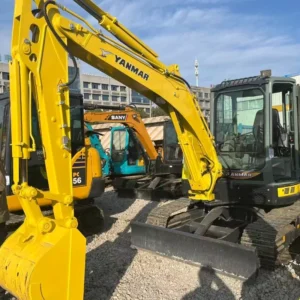 extremes, and vibration are constants. The radiator cap sits at the highest point of the cooling system, directly exposed to these elements.
Vibration is the silent enemy of the spring mechanism. Over thousands of hours of operation, the constant shaking of the engine and chassis fatigues the metal spring inside the cap. Eventually, the spring loses its memory and fails to hold the required tension. Similarly, thermal cycling—the constant expansion and contraction as the engine heats up and cools down—wears out the rubber seals. Over time, the rubber hardens, losing its elasticity and its ability to form a hermetic seal.
In dusty environments, fine particulate matter can accumulate around the cap seal. When the cap is removed for checks, this dirt can fall into the coolant, contaminating the system. More importantly, grit can lodge itself between the cap and the radiator neck, creating micro-channels through which pressure can escape. This is why it is essential to clean the area around the radiator cap before removing it.
For those operating in extreme cold, the cap plays a role in maintaining the efficiency of the heating system. A faulty cap that doesn’t allow the system to pressurize can result in poor heater performance in the cab. For the operator of used excavators working in northern climates, this is not just a comfort issue; it is a safety and productivity issue. A properly pressurized system ensures that the heater core receives a consistent flow of hot coolant, keeping the windows defrosted and the operator comfortable and alert.
9. The Domino Effect of Neglect
To fully appreciate why a small component holds such immense importance, one must understand the cascade of failures that a bad cap can initiate. It begins subtly. A cap fails to hold pressure. The coolant begins to boil at a lower temperature. The boiling creates air bubbles that erode the cylinder liner walls—a phenomenon known as cavitation. In diesel engines, particularly in used excavators, cavitation can eat through cylinder liners, leading to coolant entering the combustion chamber.
Simultaneously, the boiling coolant pushes liquid out of the overflow. The coolant level drops. The water pump begins to cavitate because it is trying to pump a mixture of air and water rather than a solid column of fluid. The loss of coolant flow leads to hot spots on the cylinder head. The cylinder head, made of metal, expands unevenly. Eventually, the head gasket fails, allowing combustion gases to enter the cooling system.
Once combustion gases enter the cooling system, the situation escalates rapidly. The gases create even more pressure, forcing more coolant out. The temperature gauge, which relies on a sensor in a steam pocket, may fluctuate wildly. The engine begins to lose power as the electronic control module (ECM) detects high temperatures and begins to derate the engine—reducing power to protect itself. The machine becomes sluggish. For a contractor operating used excavators on a job site with hourly deadlines, this derating translates directly to lost productivity.
If the operator ignores the warning signs and continues to run the machine, the final stage is catastrophic. The cylinder head warps beyond repair. The engine block may crack. The pistons may seize in the cylinders. At this point, the machine requires a complete overhaul or a replacement engine. What began as a $5 part has now resulted in a $30,000 repair bill, weeks of downtime, and a significant loss of asset value. The domino effect is swift, unforgiving, and entirely preventable.
10. Best Practices for Maintenance and Replacement
Incorporating the radiator cap into a structured maintenance schedule is the most effective way to safeguard the engines of used excavators and other machinery. Given the low cost of the component and the high cost of failure, a conservative replacement strategy is justified. A best practice is to replace the radiator cap annually or every 1,000 operating hours, whichever comes first.
During routine servicing—such as oil changes or hydraulic filter changes—the cap should be inspected. The inspection should look for:
-
Cracks or hardening of the rubber gaskets: If the gasket feels like hard plastic rather than supple rubber, it must be replaced.
-
Corrosion on the metal housing: Rust indicates moisture intrusion and can weaken the spring housing.
-
Deposits or scaling: White or green crystallized deposits on the cap or neck indicate a history of leakage.
When purchasing replacements, it is advisable to buy in bulk for fleet operations. Keeping a stock of the correct pressure-rated caps for the specific models in the fleet ensures that downtime is minimized. When a cap fails in the field, having an immediate replacement prevents the temptation to “make do” with a faulty cap or to run without one, which is a sure path to engine damage.
Furthermore, when selling used excavators, providing documentation that the cooling system components—including the radiator cap—have been recently replaced adds significant value. It gives the buyer confidence that the machine has been maintained with attention to detail. It signals that the seller understands that reliability is built on the foundation of small, critical components, not just the major assemblies.
Conclusion
In the hierarchy of engine protection, the radiator cap sits at the top—literally and figuratively. It is a device that harnesses the laws of physics to protect a multi-ton machine from self-destruction. For owners and operators of used excavators and other machinery, recognizing the importance of this small component is a hallmark of professional maintenance.
It is easy to spend thousands of dollars on complex diagnostic tools, synthetic oils, and advanced filtration systems, yet overlook the part that manages the engine’s core temperature. The mathematics are simple: a five-dollar investment in a new cap yields a return of tens of thousands of dollars in prevented engine repairs. It ensures that the machine starts reliably, runs efficiently, and maintains its resale value.
The next time you approach a machine, whether it is a bulldozer, a wheel loader, or a fleet of used excavators, take a moment to look at the radiator cap. Ask yourself when it was last replaced. Check the rubber. Test the spring. In doing so, you are not just checking a cap; you are ensuring that the heart of your machine—the engine—continues to beat under pressure. In the unforgiving world of heavy machinery, that vigilance is the difference between a profitable day on the job and a catastrophic failure that sidelines your equipment and your business.