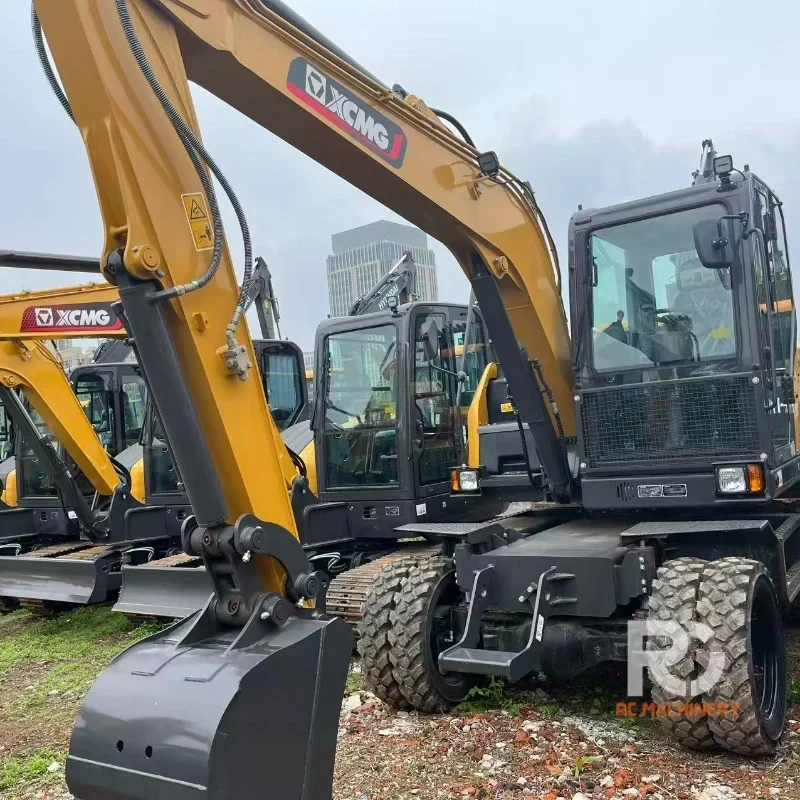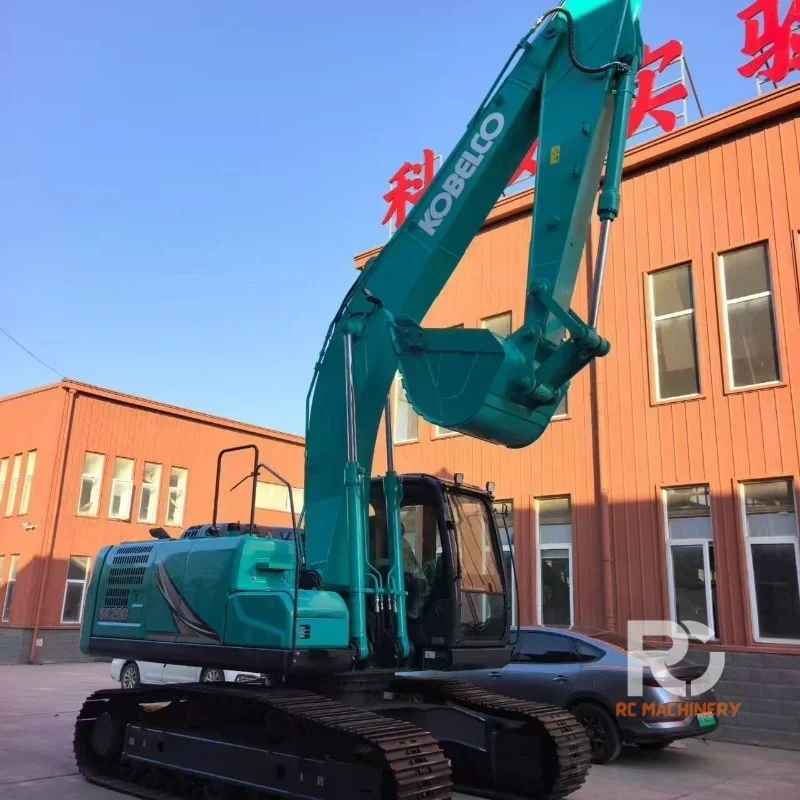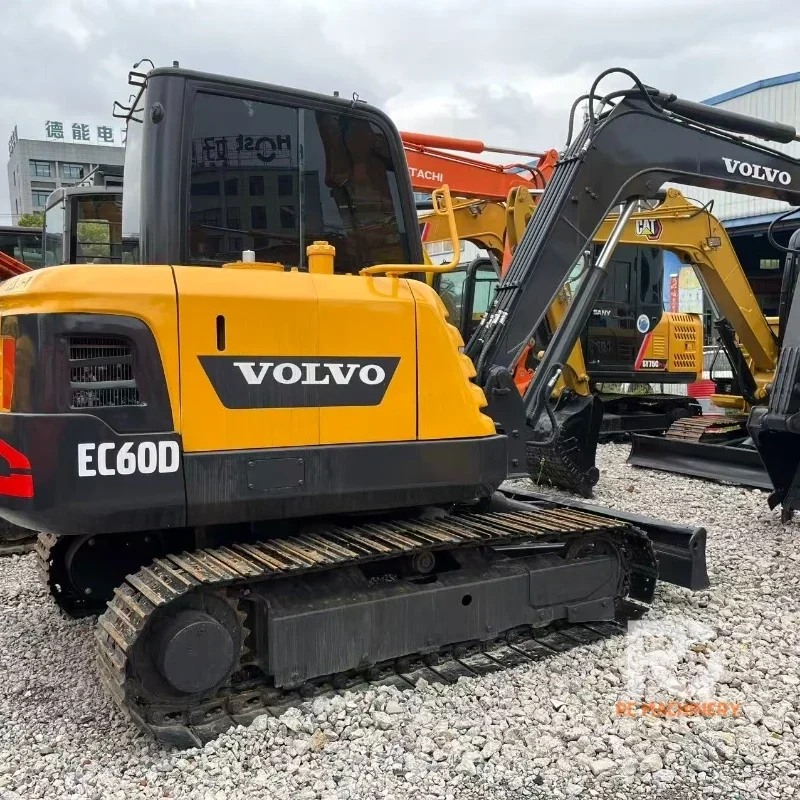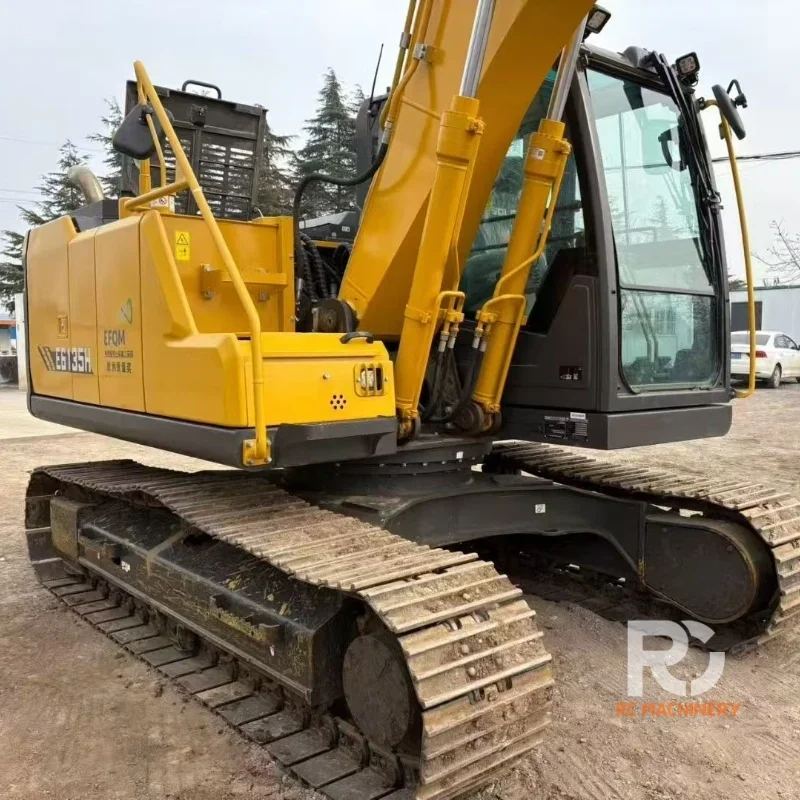






The global construction and mining sectors are increasingly reliant on robust equipment capable of operating under extreme conditions. In tropical regions, characterized by high ambient temperatures, relentless humidity, and abrasive particulate matter, the operational integrity of heavy machinery is pushed to its limits. For fleet managers and contractors working with used excavators, the challenge is particularly acute. While the initial acquisition cost of pre-owned equipment is attractive, the hidden variable often lies in the auxiliary systems—specifically, the Heating, Ventilation, and Air Conditioning (HVAC) system.
Unlike temperate zones where air conditioning is a seasonal luxury, in tropical climates, it is a critical component for operational safety and productivity. The HVAC system in used excavators does more than cool the operator’s cabin; it regulates humidity to prevent electronic corrosion, filters out biological contaminants, and ensures the operator maintains peak cognitive function during extended shifts. When this system fails, it results in operator fatigue, increased error rates, and costly downtime.
The tropical environment introduces a triad of threats to air conditioning systems: thermal overload, chemical corrosion from salt-laden air (in coastal regions), and bio-fouling from organic growth. For other machinery such as wheel loaders, dozers, and graders operating in these conditions, the principles of HVAC maintenance remain consistent, yet the execution requires specialized rigor. This article outlines a structured, preventative maintenance framework designed to extend the lifespan of HVAC units, optimize fuel efficiency, and ensure that used excavators and associated fleet assets remain reliable in the face of harsh tropical weather patterns. By adhering to these protocols, operators can mitigate the accelerated wear that typically plagues machinery in equatorial zones.
2. Understanding the Tropical Operating Environment
Before delving into maintenance procedures, it is essential to understand why standard temperate-climate maintenance schedules are inadequate for tropical regions. The environment acts as a catalyst for mechanical degradation, specifically targeting the components of used excavators.
2.1 The Impact of High Ambient Temperatures
High ambient temperatures directly affect the refrigeration cycle. Air conditioning systems operate on the principle of heat exchange. When the outside air temperature exceeds 35°C (95°F), the condenser—which is responsible for dissipating heat from the refrigerant—must work exponentially harder. In used excavators, condensers are often located in positions prone to clogging (such as behind the cab or in the engine bay). Elevated ambient temperatures increase system pressure, which, if not monitored, can lead to compressor failure. A compressor failure in a tropical region is not merely a comfort issue; it renders the machine nearly inoperable due to the greenhouse effect within the cab, which can see internal temperatures rise to dangerous levels exceeding 50°C.
2.2 Humidity, Corrosion, and Biological Growth
Relative humidity in tropical zones frequently exceeds 80%. This moisture is the enemy of electrical systems. In used excavators, the HVAC control modules, blower motor resistors, and wiring harnesses are susceptible to corrosion. Furthermore, stagnant moisture within the evaporator case creates a breeding ground for mold, mildew, and bacteria. This not only produces unpleasant odors but also creates a biofilm that insulates the evaporator coil, drastically reducing its ability to absorb heat. For other machinery used in forestry or agriculture, this biological growth is accelerated by organic debris, leading to accelerated degradation of the evaporator core.
2.3 Particulate Matter and Abrasive Contaminants
Tropical worksites often involve red laterite dust, silica, or volcanic ash, depending on the geography. These particulates are fine enough to bypass standard cabin filters if seals are compromised. In used excavators, which may have wear and tear on door seals and filter housings, this dust acts as an abrasive. It wears down blower motor bearings and, when mixed with condensation, forms a sludge that clogs evaporator drains. For other machinery like crushers or screeners operating in dusty quarries, this particulate intrusion is the primary cause of premature HVAC failure.
3. Proactive Inspection Protocols
A reactive approach to HVAC maintenance—waiting for a failure before acting—is cost-prohibitive in tropical settings. Proactive inspections form the backbone of fleet reliability, particularly for used excavators where previous maintenance history may be incomplete.
3.1 Visual Assessment of External Components
The inspection process should begin before the machine is started. Technicians must perform a systematic visual assessment of the condenser and compressor. In used excavators, the condenser is often exposed to impact damage from debris or loading operations. Fins that are bent or crushed restrict airflow, leading to high head pressure. Using a fin comb to straighten minor damage is a simple yet effective maintenance task. Additionally, checking the compressor clutch for signs of rust or belt slippage is crucial. In tropical humidity, rust formation on the clutch plate can cause it to seize or fail to engage, mimicking a refrigerant leak. For other machinery operating on coastal reclamation projects, a high-pressure wash of the condenser fins (using a low-pressure nozzle to avoid bending fins) is required weekly to remove salt deposits that accelerate galvanic corrosion.
3.2 Electrical System Integrity Checks
The electrical integrity of the HVAC system is often overlooked until a failure occurs. For used excavators, vibration and moisture compromise connections. Technicians should utilize a digital multimeter to test voltage drop across the compressor clutch and blower motor. A high voltage drop indicates resistance, usually caused by corroded connectors or worn relays. Given the high humidity, dielectric grease should be applied to all accessible electrical connectors during routine servicing. This practice creates a moisture barrier that prevents the capillary action of water seeping into wire strands, a common cause of intermittent HVAC failures that are difficult to diagnose.
3.3 Structural Integrity of the Cabin Enclosure
The efficiency of any HVAC system is dependent on the cabin’s ability to retain conditioned air. Used excavators often exhibit wear on door hinges, window seals, and floor mat integrity. A positive pressure test is recommended. With the HVAC fan running on high and the doors closed, technicians should use smoke pencils or their hands to detect leaks around the door frames and glass. In tropical climates, even a small gap allows humid air to infiltrate, causing the evaporator to freeze over due to the constant load. For other machinery with open-canopy designs retrofitted with aftermarket cabs, ensuring airtight seals is even more critical to prevent the ingress of moisture-laden air.
4. Refrigerant Management and System Chemistry
The refrigerant circuit is the heart of the HVAC system. In tropical heat, the chemical stability of the refrigerant and lubricant is paramount. Mismanagement here leads to the most expensive repair in the excavator industry: compressor seizure.
4.1 Optimal Refrigerant Charge and Superheat/Subcooling
The common practice of “topping off” refrigerant based solely on low-side pressure readings is dangerous in high-ambient environments. For used excavators, the charge must be verified using superheat and subcooling calculations. An undercharged system leads to evaporator freezing, which blocks airflow and sends liquid refrigerant back to the compressor (floodback), washing out the lubrication. Conversely, an overcharged system causes excessive head pressure, leading to premature compressor failure and ruptured hoses. In tropical conditions, where pressures naturally run higher due to ambient heat, maintaining precise charge levels is non-negotiable. Technicians servicing used excavators must ensure that the refrigerant type (R134a or the newer R1234yf) matches the OEM specifications, as mixing refrigerants or using hydrocarbon blends (which are flammable) poses severe safety risks in high-heat environments.
4.2 Lubrication and Acid Control
Refrigerant oil (PAG or POE) serves the dual purpose of lubricating the compressor and circulating through the system to prevent seal dryness. In tropical heat, thermal degradation of oil accelerates. When used excavators sit idle for periods, the refrigerant oil settles, and seals dry out, leading to leaks upon restart. Furthermore, any moisture ingress into the refrigerant circuit reacts with the oil to form acids. These acids etch the internal surfaces of the evaporator and condenser, leading to “black death”—a catastrophic failure where carbonized sludge circulates and destroys the compressor. To mitigate this, technicians should perform regular acid tests on the refrigerant charge during major services. If acid is detected, the system requires a full flush, receiver-drier replacement, and compressor inspection, a process that is far more cost-effective than replacing an entire system in a remote tropical worksite.
4.3 Hose and Fitting Integrity
The rubber hoses used in HVAC systems are permeable. In used excavators, original hoses may have hardened due to age and UV exposure common in tropical sun. Microscopic leaks at hose crimps are a leading cause of gradual refrigerant loss. Utilizing an electronic leak detector (rather than soap bubbles alone) allows technicians to identify pinhole leaks in hoses that run along the boom or chassis, which are common points of failure due to vibration. When replacing hoses for used excavators or other machinery in these climates, upgrading to barrier-style hoses with enhanced permeation resistance is a best practice that ensures the system maintains charge between service intervals.
5. Airflow Management and Filtration Strategies
Airflow is the currency of HVAC efficiency. Without proper airflow across the evaporator and condenser, the system cannot perform its heat exchange function. In tropical environments, where dust, pollen, and organic matter are abundant, filtration strategies must be aggressive.
5.1 Multi-Stage Filtration Upgrades
Standard cab air filters are often insufficient for tropical dust loads. Operators of used excavators should consider upgrading to multi-stage filtration systems. This typically involves a pre-filter (often a foam sleeve that can be washed daily) and a high-efficiency particulate air (HEPA) or activated carbon main filter. The pre-filter captures large particulates, extending the life of the expensive main filter. In other machinery used in agricultural settings where pesticide or fertilizer dust is present, activated carbon filters are essential to prevent chemical fumes from entering the cab. The filtration system is only as good as its housing; technicians must ensure the filter housing cover seals tightly. In used excavators, warped filter covers are common and allow unfiltered, humid air to bypass the filter entirely, fouling the evaporator core.
5.2 Evaporator Core Cleaning Procedures
Even with proper filtration, the evaporator core will accumulate dust and biological growth over time due to the constant condensation. In tropical climates, this requires cleaning at intervals far shorter than the OEM recommendations—often every 500 to 1,000 hours rather than annually. A visual inspection using a borescope inserted into the evaporator case reveals the condition of the fins. For used excavators, a common symptom of a dirty evaporator is “short cycling”—the compressor turns on and off rapidly because the airflow is restricted, causing the coil to freeze.
Cleaning should be performed using a non-acid, non-corrosive coil cleaner specifically designed for HVAC systems. Technicians should remove the blower motor resistor or the blower motor itself to access the evaporator. Applying foam cleaner, allowing it to dwell, and flushing with water (ensuring the drain is clear) removes the biofilm that insulates the coil. This procedure, when done routinely, can improve cooling capacity by up to 30% in used excavators operating in high-humidity conditions.
5.3 Condenser Airflow Optimization
The condenser relies on the engine cooling fan or auxiliary electric fans to reject heat. In used excavators, the condenser is often mounted in front of the radiator. This “stacked” configuration means that if the radiator is clogged, the condenser is also clogged. Technicians must inspect the space between the radiator and condenser. In tropical environments, seeds, leaves, and fine dust accumulate in this interstitial space, acting as an insulating blanket. A weekly cleaning regimen using compressed air (blowing from the engine side outward) or a gentle pressure washer is required to maintain thermal efficiency. For other machinery like forestry excavators equipped with debris guards, these guards must be removed periodically to allow deep cleaning of the condenser fins.
6. Drainage and Moisture Control
In tropical climates, water management is as important as temperature management. The HVAC system naturally dehumidifies the air, producing significant amounts of condensate. If this water is not properly evacuated, it becomes a source of corrosion, mold, and electrical damage.
6.1 Condensate Drain Line Maintenance
The evaporator drain line is a small, often overlooked component that can cause massive operational issues. In used excavators, these drains are typically located at the lowest point of the HVAC case, draining through the cab floor or rear wall. In tropical environments, these drains are prime nesting sites for insects and are prone to clogging with sludge. A clogged drain causes water to back up into the blower motor or flood the cab floor.
Technicians should make drain line inspection a mandatory part of the service schedule. Using compressed air to blow out the drain line must be done carefully—excessive pressure can dislodge the rubber hose inside the cab. A better approach is to use a specialized condensate drain brush or a wet/dry vacuum on the exterior outlet to suck out blockages. For used excavators operating in sandy environments, installing a larger diameter drain hose or a “duckbill” check valve that prevents insect intrusion is a cost-effective modification that prevents recurring clogs.
6.2 Interior Moisture and Mold Remediation
The interior of a used excavator cab is susceptible to mold growth if moisture is trapped. Mold not only poses health risks (respiratory issues for operators) but also emits a distinct musty odor that degrades the work environment. After the HVAC system runs, moisture remains on the evaporator fins. If the operator shuts down the machine without allowing the fan to dry the evaporator, mold proliferates.
Implementing a “fan-off delay” protocol—either through operator training or automated electronic controllers—allows the blower motor to run for 3–5 minutes after the compressor disengages, drying the evaporator core. In climates where humidity is persistently high, ultraviolet (UV) germicidal lights installed inside the HVAC ductwork can be an effective solution for used excavators to prevent biological growth without the need for frequent chemical cleanings.
7. Electrical and Electronic Control Systems
Modern used excavators and other machinery rely heavily on electronic control modules to manage HVAC functions. These systems are sensitive to the voltage fluctuations and moisture ingress common in tropical environments.
7.1 Protecting Control Modules and Sensors
The HVAC control unit is often integrated into the main cab display or a dedicated controller. In used excavators, the seals on these units may have degraded. Humidity entering the control panel can cause erroneous sensor readings—such as the cabin temperature sensor reading incorrectly, causing the system to over-cool or under-cool. Technicians should use dielectric grease on the backside of connectors and ensure that the mounting gaskets are intact. If the machine utilizes a CAN bus system (Controller Area Network), voltage stability is critical. A failing alternator or battery in tropical heat can cause voltage spikes that damage the HVAC controller, leading to expensive electronic repairs that are often misdiagnosed as mechanical AC failures.
7.2 Thermostatic Expansion Valve (TXV) vs. Orifice Tube Diagnostics
The metering device controls refrigerant flow into the evaporator. Used excavators may utilize either a Thermostatic Expansion Valve (TXV) or a fixed orifice tube. In tropical climates, TXVs are generally preferred because they modulate refrigerant flow based on cooling load. However, TXVs are susceptible to failure due to moisture contamination (freezing internally) or bulb displacement. A stuck TXV can cause low suction pressure and evaporator freeze-up, a common complaint in tropical operations. Technicians diagnosing used excavators must distinguish between a failed TXV and a low refrigerant charge by comparing superheat readings. Replacing a TXV requires recovering the refrigerant, a process that should not be shortcut, as atmospheric moisture will enter the system if it is left open for extended periods.
8. Component-Specific Maintenance
While system-wide checks are essential, focusing on specific high-wear components can preempt failures in used excavators and other machinery operating under continuous tropical load.
8.1 Compressor Longevity
The compressor is the most expensive single component in the HVAC system. In tropical climates, the compressor runs for a higher percentage of the machine’s operating hours compared to temperate zones. To extend compressor life, technicians must monitor the drive belt tension and alignment. A misaligned belt places lateral stress on the compressor shaft, leading to premature seal failure and refrigerant leaks. Additionally, the compressor clutch cycling frequency should be observed. In used excavators, if the clutch cycles more than 6–8 times per minute under stable conditions, it indicates either a low refrigerant charge or a faulty pressure switch. Allowing this rapid cycling to continue will burn out the clutch coil, a failure that often necessitates compressor replacement.
8.2 Blower Motor and Resistor Longevity
The blower motor operates continuously whenever the machine is in use. In dusty tropical environments, the blower motor draws air across its commutator and brushes, leading to accelerated wear. Symptoms include intermittent operation, low airflow, or squealing noises. For used excavators, the blower motor resistor (or solid-state speed controller) is a common failure point. Resistors generate heat to reduce voltage to the motor for low speeds. In tropical heat, these resistors run hotter and are prone to failure, especially if the blower motor is drawing excessive amperage due to worn bearings. Technicians should test amperage draw against OEM specifications. Replacing a blower motor at the first sign of high amperage is cheaper than replacing the resistor and motor later, along with potential wiring harness damage.
8.3 Receiver-Drier and Accumulator Replacement
The receiver-drier (in systems with a TXV) or accumulator (in orifice tube systems) acts as the system’s filter and moisture absorber. In tropical environments, the desiccant inside these components becomes saturated faster due to the higher potential for moisture ingress during servicing. For used excavators, it is a standard of excellence to replace the receiver-drier or accumulator whenever the system is opened for repair, and at minimum every two years as preventative maintenance. Failing to do so allows moisture and debris to circulate, gradually degrading the compressor and expansion device. Given the low cost of these components relative to a compressor replacement, this is one of the most economically sound preventative measures for fleet managers.
9. Establishing a Scheduled Maintenance Program
To ensure the reliability of used excavators and other machinery, a rigid scheduled maintenance program tailored to tropical intervals is required. Relying on the standard 2,000-hour or annual service intervals common in temperate regions leads to failures.
9.1 Daily and Operator-Level Checks
The operator is the first line of defense. A daily checklist should include:
-
Visual Inspection: Check for refrigerant oil stains around hoses and fittings, indicating a leak.
-
Airflow Verification: Confirm that air is flowing from vents at the correct speed. A sudden drop in airflow indicates a clogged filter or evaporator.
-
Drainage Check: Verify that water is dripping from the condensate drain when the AC is running. A dry drain indicates a clog.
-
Temperature Differential: Using a simple probe thermometer in the vent, operators of used excavators should record the temperature drop between the ambient intake and the vent output. A drop less than 12°C (22°F) indicates a performance issue requiring inspection.
9.2 250-Hour and 500-Hour Service Intervals
In tropical climates, the 250-hour service interval is critical.
-
Filter Replacement: Replace or clean the cab air pre-filter and main filter. Do not simply blow out paper filters with compressed air, as this can create microscopic holes that allow dust to pass.
-
Coil Cleaning: Perform a visual inspection and foam cleaning of the evaporator coil.
-
Electrical Check: Verify voltage at the compressor clutch and clean battery terminals to ensure stable voltage supply to the HVAC controller.
-
Condenser Cleaning: Use compressed air or low-pressure water to clean the condenser and radiator stack.
At the 500-hour interval, a more comprehensive check is warranted, including refrigerant charge verification using manifold gauges, belt tension adjustment, and a thorough inspection of the compressor mounting bolts. For used excavators that are older, this is also the time to inspect the firewall grommets where refrigerant lines enter the cab, as wear here leads to chafing and leaks.
9.3 Annual Overhaul Considerations
In tropical climates, a full HVAC system evaluation should be performed annually, irrespective of hours. This involves recovering the refrigerant to weigh the charge (verifying no loss), replacing the receiver-drier, performing a nitrogen pressure test to check for micro-leaks, and evacuating the system to a deep vacuum (below 500 microns) to ensure moisture is removed. This annual “deep service” resets the system’s baseline and is particularly important for used excavators where the service history is often unknown. For other machinery used in seasonal industries (such as sugar cane or palm oil harvesting), performing this overhaul during the off-season ensures maximum reliability during peak operational periods.
10. Conclusion: The Economic Rationale for Rigorous HVAC Care
The maintenance of HVAC systems in tropical environments is not merely a matter of operator comfort; it is a critical component of asset management and operational safety. For fleets relying on used excavators, the margin for error is smaller than with new equipment. These machines often have pre-existing wear, making them more vulnerable to the thermal and corrosive stresses of the tropics. However, with a disciplined approach that prioritizes proactive inspection, precise refrigerant management, aggressive filtration, and strict moisture control, these assets can deliver performance levels that rival newer units.
The cost of a major HVAC repair—compressor replacement, evaporator replacement, and labor—can easily exceed $5,000 to $10,000 per machine, not including the cost of downtime. In a tropical setting, where a single day of downtime can derail a critical project timeline, the economic impact is even greater. By adhering to the structured protocols outlined in this article—from daily operator checks to annual overhauls—fleet managers can dramatically reduce the total cost of ownership for their equipment.
Furthermore, the principles discussed here extend beyond used excavators to encompass other machinery within the fleet. Wheel loaders, motor graders, and compact track loaders all benefit from the same attention to condenser cleanliness, refrigerant chemistry, and cabin sealing. In the high-stakes environment of tropical construction and mining, the reliability of the HVAC system is a direct indicator of the overall reliability of the asset. A machine that keeps its operator cool, dry, and breathing clean air is a machine that operates efficiently, safely, and profitably. Therefore, investing in specialized HVAC maintenance for used excavators and heavy machinery is not an optional add-on; it is a fundamental requirement for sustainable operations in the world’s most demanding climates.