





Winter driving presents a unique set of challenges. While snow and ice on the exterior of your vehicle are visible adversaries, the subtle enemy within is often more dangerous: condensation. One moment you are cruising down the highway, and the next, a thick, milky film clouds the interior of your windshield, turning the world outside into a watercolor painting. For operators of heavy machinery, this is not merely an inconvenience; it is a safety hazard. Whether you are navigating a busy job site in a loader or hauling materials in a rigid frame dump truck, visibility is paramount.
The automotive industry has developed various solutions to combat this, from climate control systems to anti-fog sprays. However, there is a hidden gem of a solution that has been used by truckers, heavy equipment operators, and seasoned mechanics for decades. It is cheap, effective, and surprisingly simple: a bar of soap.
In this post, we will dive deep into the science of fog, the mechanical reasons your cab fogs up, and a step-by-step methodology to using soap as a preventative measure. Along the way, we will also explore how maintaining optimal visibility relates to the lifecycle of heavy machinery, particularly when dealing with used excavators and autres machines in your fleet. After all, the condition of your equipment—including the cab integrity—directly impacts operational safety and resale value.
1. The Science of Fog: Why Your Windows Become a White Wall
Before we apply the solution, it is essential to understand the problem. Fog on the interior of a windshield is a physical phenomenon that occurs when warm, moisture-laden air comes into contact with a cold surface.
1.1 The Dew Point Dynamic
Every cab contains moisture. In passenger vehicles, this comes from breathing, wet clothing, or melting snow on boots. In heavy machinery, the source is often more industrial. Operators climbing into a cab with snow-covered boots, the residual humidity from pressure washing the interior, or even a small leak in the heater core can introduce significant moisture.
When the temperature outside drops, the glass temperature drops with it. As warm air inside the cab hits the cold glass, it reaches the dew point. The air can no longer hold the water vapor, so it condenses into tiny droplets on the glass. This creates a scattering effect, diffusing light and rendering the glass translucent.
1.2 The Excavator Operator’s Dilemma
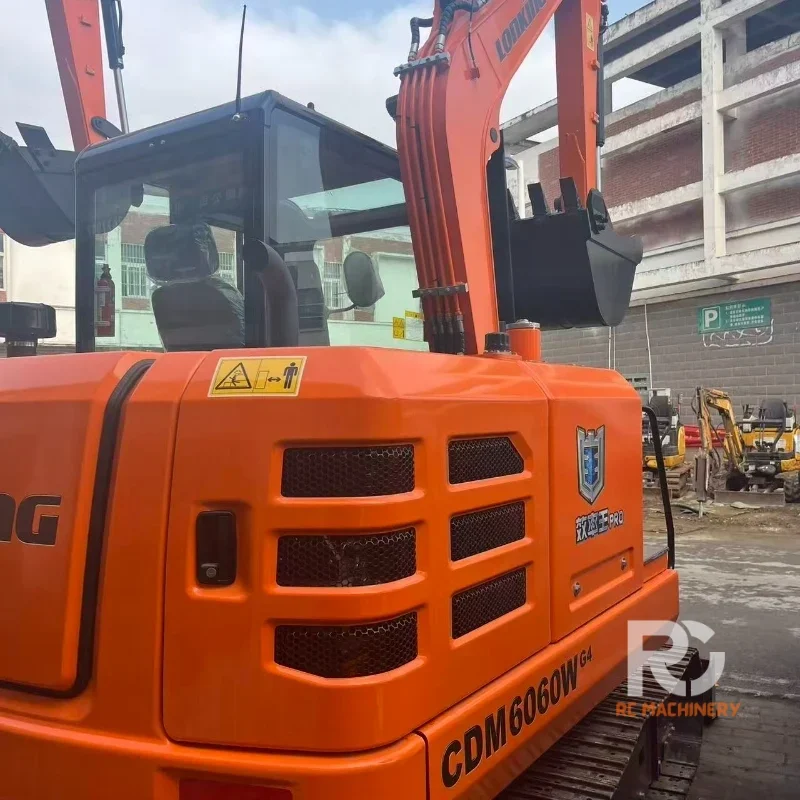
For those who spend their days behind the controls of used excavators, this issue is amplified. Older machinery often does not have the advanced climate control systems found in modern luxury cars. The seals around windows may have worn down over time, allowing moisture to seep in. Furthermore, the geometry of excavator cabs—often featuring large, flat panes of glass to maximize the operator’s sightlines to the bucket and trench—creates a massive surface area for condensation to form. When the interior fogs up in an excavator, the operator cannot simply wipe it with a sleeve; the reach is often too far, and stopping the machine to clean the glass disrupts workflow and productivity.
2. The Soap Solution: Breaking Down the Chemistry
Why soap? It seems counterintuitive to rub a cleaning product on the inside of a window and leave it there. However, the chemistry involved is a masterclass in surface tension.
2.1 Surfactants and Surface Tension
Soap is a surfactant—a substance that reduces the surface tension of a liquid. Water molecules naturally want to cling to each other. This cohesion is what creates beads of water (fog) on a smooth surface. When you apply a thin film of soap to glass, you deposit a layer of surfactants. These molecules have a hydrophilic (water-attracting) head and a hydrophobic (water-repelling) tail.
When humidity condenses on the glass treated with soap, the surfactants prevent the water from forming tight, spherical beads. Instead, the moisture spreads out into a thin, uniform, transparent film. Instead of scattering light, the water lies flat, allowing light to pass through clearly.
2.2 A Cost-Effective Fleet Solution
For fleet managers overseeing a collection of used excavators and autres machines, the cost benefits are substantial. Anti-fog sprays can range from $10 to $30 per bottle, and in a large fleet, this adds up. A single bar of soap costs less than a dollar and can treat dozens of windshields. When you are managing the operational costs of autres machines like wheel loaders, skid steers, and motor graders, minimizing recurring expenses on consumables like chemical sprays is a smart financial move.
3. The Application Process: A Step-by-Step Guide
Applying soap to a windshield is not as simple as rubbing a bar on the glass and wiping it off. To achieve a streak-free, long-lasting anti-fog barrier, you must follow a meticulous process.
3.1 Preparation: Cleaning the Canvas
The most critical step in this process is preparation. You cannot apply soap over dirt, oil, or silicone residues. If the glass is contaminated, the soap will clump, leaving greasy streaks that are worse than the fog.
-
Materials: You will need a microfiber cloth, a bucket of warm water, a mild dish soap (for cleaning), a spray bottle with isopropyl alcohol (optional), and your bar of soap. Avoid using glass cleaners that contain “rain repellent” additives, as these often contain silicones that interfere with the soap film.
-
Action: Thoroughly clean the interior surface of the windshield. Use a dedicated glass cleaner or a mild soap solution. Wipe the glass in a circular motion and then in straight lines to ensure no lint or residue remains. For excavator cabs, which often accumulate hydraulic oil mist on the windows, it is advisable to use isopropyl alcohol to cut through any petroleum-based residues before proceeding.
3.2 Application: The Dry Rub Method
There are two methods for applying soap: the wet method (creating a paste) and the dry method. For heavy-duty applications, particularly in autres machines where the cab environment is rugged, the dry method yields the longest-lasting results.
-
The Technique: Ensure the glass is completely dry. Take a dry bar of soap (preferably a hard bar like a basic white bath soap; avoid moisturizing soaps as they contain oils that cause streaks). Rub the bar firmly across the glass in a crisscross pattern. You should see a visible white haze left behind.
-
Coverage: Cover the entire windshield. Do not just do the driver’s side. In heavy machinery, you need 360-degree visibility. For used excavators, apply the soap to the front windshield, the side windows, and the rear glass if applicable. A common mistake is to apply too little soap. The haze should be consistent.
3.3 Buffing: The Art of the Streak-Free Finish
Once the soap haze is applied, it is time to buff it out. This step requires patience.
-
Materials: Use a clean, dry microfiber cloth. If you have a dual-action polisher with a soft pad, that can save time on large machinery windshields, but hand buffing works perfectly.
-
Action: Fold the microfiber into a pad. Start buffing in tight circular motions, gradually moving to larger circles. The goal is to remove the white haze entirely. You are not washing the soap off; you are spreading it into an invisible molecular layer. The glass should feel smooth and look clear.
-
Test: Once buffed, breathe on the glass. If you see a fog that dissipates instantly into a clear film, you have succeeded. If you see streaks or smudges, you have either used too much soap (buff more) or used a soap with too many additives.
4. Why This Matters for Heavy Equipment and Resale Value
 For those in the construction, mining, or landscaping industries, the condition of the cab is a direct reflection of the machine’s overall health. When evaluating used excavators for purchase, buyers look at the hour meter, the undercarriage, and the hydraulic system. However, they also scrutinize the cab.
4.1 The Window Seal Connection
Fogging is often a symptom of a larger issue. If you constantly battle condensation on the inside of your machinery, it may indicate that the window seals are failing. Water intrusion into the cab can lead to mold, electrical shorts in the control panel, and corrosion of the operator’s seat frame and floor plates.
By using the soap method, you are buying time, but you must also inspect the integrity of the cab. When listing used excavators for sale, a seller can highlight that the cab has been meticulously maintained, with clear windows and functional seals. A machine that does not fog up internally suggests that the cab environment is sealed against the elements, which is a high-value selling point.
4.2 Operator Comfort and Efficiency
Visibility isn’t just about safety; it’s about productivity. An operator who is constantly stopping to wipe windows or squinting through a foggy pane is an operator who is losing efficiency. In the realm of autres machines—such as articulated dump trucks or compact track loaders—the precision required for dumping loads or grading surfaces necessitates crystal-clear sightlines. Soap-treated windows remain clear longer than untreated windows, allowing the operator to focus on the task at hand rather than environmental distractions.
5. Alternative Methods and Why Soap Still Wins
There are numerous anti-fog products on the market, as well as DIY hacks. It is worth comparing these to the soap method to understand why soap remains the gold standard for heavy equipment.
5.1 Shaving Cream vs. Soap
Shaving cream is a popular alternative. Like soap, it contains surfactants. However, shaving cream often contains lanolin, fragrances, and moisturizers that can leave a greasy residue that attracts dust. In the dusty environments where used excavators typically operate, a greasy windshield becomes a dirt magnet. Soap, particularly a basic bar without moisturizers, dries to a non-tacky finish that does not attract dust.
5.2 Commercial Sprays
Commercial anti-fog sprays are effective, but they are chemically specific. Many rely on polymers that degrade over time. For autres machines like motor graders that sit outside in the elements for weeks, the chemical breakdown happens rapidly. Soap, being a simple alkaline salt, does not degrade chemically; it only wears off through physical abrasion (wiping). It often lasts longer in static, cold storage conditions than commercial sprays.
5.3 The Potato Myth
Some swear by rubbing a raw potato on the glass. While the starch in a potato can create a temporary barrier, it is messy, rots over time, and attracts pests. In a excavator that is often stored in rural or wooded areas, leaving organic material on the glass invites ants and other insects into the cab. Soap is hygienic, shelf-stable, and insect-repellent.
6. Advanced Tips for Extreme Conditions
If you are operating in sub-zero temperatures or in high-humidity environments, the standard soap application may need to be augmented.
6.1 The Double Layer
For extreme conditions, apply a second layer of soap after the first layer has been buffed. This builds up a thicker surfactant layer. However, be cautious. Too much soap can create a slight haze that is visible when the sun hits the glass at a low angle (sunrise or sunset). It is best to apply a single layer, test it, and if fogging still occurs, apply a second layer focusing only on the areas directly in the operator’s line of sight.
6.2 Combining with Silica Gel
Soap prevents water from beading, but it does not remove moisture from the air. To complement the soap treatment, place silica gel packs or a specialized “dry bag” in the cab. In used excavators that are left idle over the weekend, the interior temperature fluctuates drastically. Using a passive dehumidifier inside the cab reduces the overall moisture load, making the soap film even more effective.
6.3 Application on Polycarbonate Windows
Some autres machines, particularly compact equipment or machinery with roll-over protective structures (ROPS), use polycarbonate or acrylic windows instead of glass. These plastics are softer and more prone to scratching. The soap method works excellently on plastics because it does not contain the harsh solvents found in many commercial anti-fog sprays that can craze polycarbonate. However, when buffing soap off plastic windows, use extra caution and a very soft microfiber to avoid micro-scratches.
7. Maintaining the Treatment
The longevity of a soap treatment depends on the environment. In a passenger car, it can last weeks. In heavy machinery, due to the rigorous nature of the work and the frequency of window wipes, it may last only a few days.
7.1 Avoiding Contamination
Once the soap film is applied, avoid touching the glass. The oils from human skin will disrupt the surfactant layer. Additionally, if you use a squeegee to clean the inside of the glass, you will physically remove the soap film. Operators should be trained to treat the soap film as a permanent coating rather than a contaminant to be cleaned off.
7.2 Reapplication Indicators
You know it is time to reapply the soap when you start seeing localized beading of water. Typically, the area directly in front of the operator’s breath fogs up first. For operators of used excavators who are working long shifts, reapplying the soap at the start of each week is a best practice. For fleet managers, incorporating “anti-fog treatment” into the weekly maintenance checklist for autres machines ensures consistent visibility across the board.
Conclusion: The Simple Path to Safer Operations
In the world of heavy machinery, complexity often rules the day. We deal with complex hydraulics, sophisticated electronics, and intricate emission systems. However, sometimes the most effective solutions are the simplest. A bar of soap, costing less than a cup of coffee, can be the difference between a safe, productive shift and a dangerous, frustrating one.
For the operator of used excavators, where the working environment is often tight and the margin for error is slim, unimpeded visibility is non-negotiable. For the fleet manager overseeing autres machines, from backhoes to telehandlers, implementing a cheap, effective anti-fog protocol improves safety scores and reduces downtime.
The next time the temperature drops and the humidity rises, skip the expensive aerosol sprays. Reach for the bar of soap in the utility closet. Clean the glass, rub on the haze, and buff it out. You will be left with a clear view, a safer cab, and the satisfaction of using a trick that has kept heavy equipment operators safe for generations. Whether you are maintaining your current fleet or preparing used excavators for resale, ensuring that the windows are crystal clear—free from fog, streaks, and haze—sends a message of professionalism and care that resonates with both operators and buyers alike.
By combining this old-school method with regular maintenance checks on seals and humidity control, you can ensure that your machinery—whether brand new or well-loved used excavators—remains a safe, efficient, and profitable asset through the harshest winter conditions.