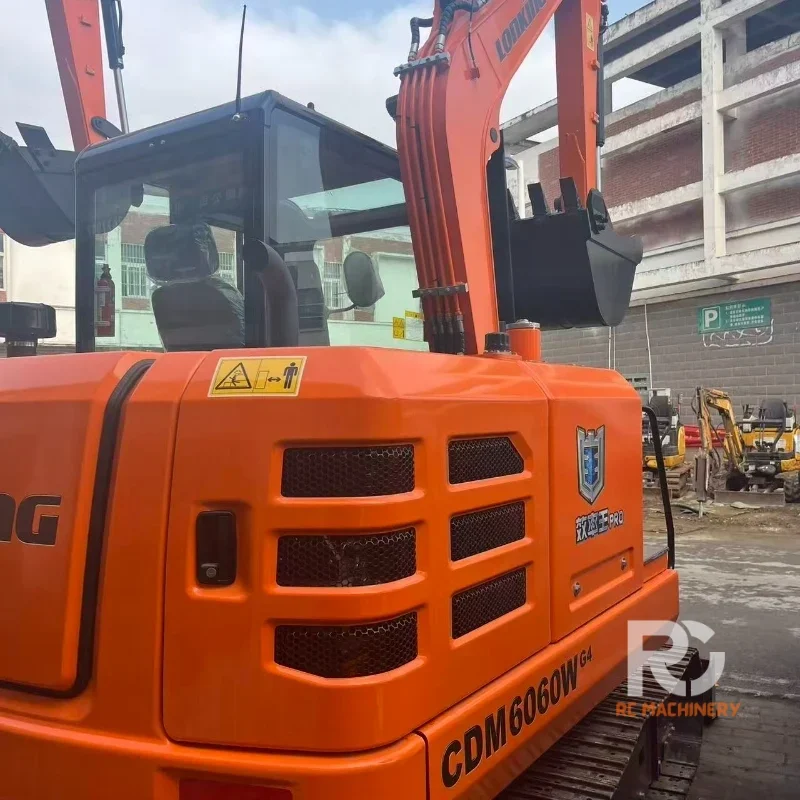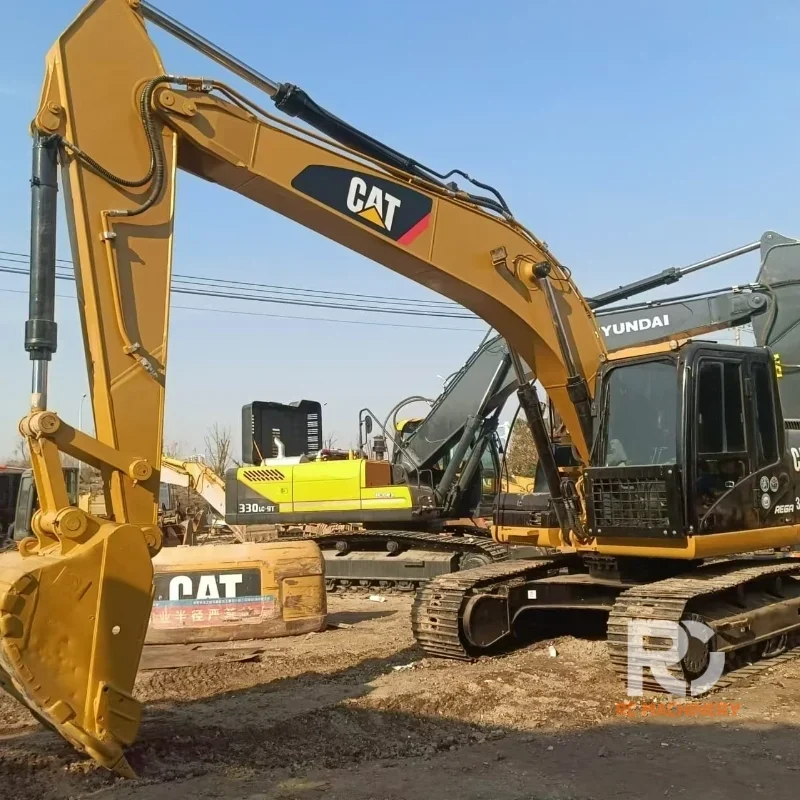






 If you work within a stone’s throw of the ocean, you have likely noticed a peculiar phenomenon. The equipment that performs flawlessly inland often looks a decade older within a matter of months when operating near the coast. There is a silent, relentless agent at work—not a mechanical failure, not operator error, but the atmosphere itself. The sea breeze carries with it a cocktail of chlorides, moisture, and salt particles that act as a corrosive catalyst unlike any other found in nature.
In the heavy equipment sector, we often discuss wear and tear in terms of hours logged, hydraulic pressure, and undercarriage wear. However, for those operating in coastal environments, there is a secondary metric that often determines the resale value and lifespan of an asset: the discipline of the freshwater rinse. It is a mundane task, often viewed as a chore at the end of a long shift. Yet, in the context of asset management, it is arguably the most critical maintenance procedure you can perform.
When we evaluate the market for used excavators, the first thing a trained eye looks for is not the engine hours, but the condition of the chassis, the rotating frame, and the hydraulic component housings. Corrosion in these areas tells a story of neglect that no service record can erase. This article explores why the sea breeze functions as the most effective “salesman” for rust, why freshwater is the only antidote, and how integrating a strict rinse protocol preserves your investment in used excavators and otra maquinaria across the board.
1. The Chemical Aggression of the Coastal Environment
To understand why a simple rinse is so powerful, we must first understand the enemy. The sea breeze is not just wind; it is a transport mechanism. It lifts microscopic droplets of seawater, evaporates the water content, and leaves behind a residue of pure salt crystals. These crystals are hygroscopic, meaning they actively attract moisture from the air.
1.1 The Electrolytic Catalyst
When salt settles on the steel components of your fleet, it creates an ideal environment for galvanic corrosion. Steel, being an alloy of iron and carbon, has slight electrochemical potential differences across its surface. When a salt-laden electrolyte (moisture attracted by the salt) bridges these differences, the metal begins to oxidize rapidly.
For the excavator industry, this is a particular menace because excavators are built with high-tensile steel. While this steel is strong, it is not immune to pitting. Pitting corrosion—small, deep holes that act as stress concentrators—is the most dangerous form of rust for structural components. A sea breeze doesn’t just paint the surface; it invades the microscopic gaps between boom sections, the crevices around pivot pins, and the mating surfaces of the undercarriage.
1.2 The “Iron Salesman” Analogy
Why call the sea breeze a salesman for rust? Because it works with persistence and persuasion. It convinces the iron to let go of its electrons. In the world of metallurgy, rust is the ore returning to its natural state. The sea breeze accelerates this regression exponentially. If you leave a machine unprotected for 24 hours near the ocean, the oxidation process is already underway. By the time you are looking to sell that machine as a used excavator, the “salesman” has already done his job, reducing the machine’s structural integrity and aesthetic value.
2. The Anatomy of Corrosion on Heavy Machinery
Not all parts of a machine are created equal when it comes to corrosion resistance. Modern used excavators and otra maquinaria often feature painted surfaces and some galvanized components, but the reality is that operational wear strips away these defenses.
2.1 The Underbelly: A Trap for Salt
The machine chassis—specifically the belly pan or undercarriage—is the most vulnerable area. This is where hydraulic oil, grease, and dirt accumulate. This mixture creates a paste that traps salt against the metal. When you operate near the coast, the undercarriage acts like a sponge. The tracks throw salt-laden mud and water up into the chassis, where it settles in hard-to-reach cavities.
If you are in the market for used excavators, lifting the cab or looking at the belly pans reveals the truth. A machine that has been operated on the coast without daily rinsing will show extensive scaling on hydraulic tanks, swivel joints, and control valve bodies. These are expensive components to replace. The cost of a single hydraulic valve body can exceed the depreciation savings of buying a lower-priced, corrosion-damaged machine.
2.2 Electrical Systems and Connectors
Corrosion is not solely a structural issue; it is the primary cause of electrical gremlins. The excavator industry has moved toward highly sophisticated electronic control modules (ECMs), sensors, and CAN bus systems. These systems rely on low-voltage signals to operate.
Salt bridges can form across connector pins, creating resistance where there should be none. A daily freshwater rinse, if done correctly, washes away the salt before it can migrate into wiring harnesses. When looking at otra maquinaria like wheel loaders or skid steers, electrical failures are often traced back to corrosion in the fuse boxes or ground terminals—failures that could have been prevented by a simple wash-down routine.
3. The Freshwater Solution: Mechanism and Methodology
If salt is the enemy, freshwater is the solvent that disarms it. However, the act of rinsing is not merely about spraying water. It is a chemistry problem. The goal is to dilute and displace the salt concentration to zero.
3.1 Osmosis and Dilution
When salt water dries on a surface, it leaves a concentrated crystalline deposit. Applying freshwater reverses the process. The water dissolves the salt, creating a solution of lower concentration. By continuing to flush with a high volume of water, you physically carry the salt away from the machine. This is why a high-pressure sprayer is not always the best tool; high volume, low-pressure flushing is often more effective for dissolving and removing salt from deep crevices.
3.2 Targeting the “Hot Spots”
A successful rinse protocol focuses on three critical zones:
-
The Undercarriage: This includes the tracks, rollers, idlers, and sprockets. These components are in constant contact with the ground and trap the most debris.
-
The Rotating Frame: The swing bearing and the area between the house and the undercarriage are notorious for trapping salt. Water must be directed into the gap while the machine is slowly rotated to ensure full coverage.
-
The Engine Bay: While you must be cautious around air intakes and electrical components, a gentle rinse of the radiator and the engine compartment helps prevent corrosion on aluminum components and steel brackets.
When preparing used excavators for resale, machines that have been subjected to this targeted rinse protocol maintain a “like-new” appearance in these hot spots, commanding a premium price.
4. Debunking Myths: Why Rinsing Isn’t Just About Aesthetics
There is a common misconception in the excavator industry that washing machinery is purely cosmetic. This could not be further from the truth. While a clean machine looks professional, the implications of neglecting freshwater rinses are deeply mechanical and financial.
4.1 Structural Integrity and Safety
Corrosion doesn’t just look bad; it removes material. On a pin, 1mm of corrosion can create a loose fit, leading to accelerated wear of bushings and bores. On a boom or stick, rust pitting can become a fracture initiation point. In high-stress applications—lifting, digging, demolition—a compromised structural component is a safety hazard.
For fleet managers, the liability of operating corroded equipment is immense. Freshwater rinsing is a primary defense against the progressive weakening of load-bearing structures. When you evaluate otra maquinaria such as cranes or material handlers, structural corrosion is often a red line that determines whether a machine is taken out of service entirely.
4.2 Resale Value and Asset Depreciation
The market for used excavators is discerning. Buyers are increasingly educated. They know that a machine that worked in a coastal environment requires a premium maintenance history. A machine that shows signs of heavy corrosion will sit on the lot longer and sell for 15-25% less than a comparable machine with low corrosion, even if the hours are identical.
The daily investment of 15 minutes for a freshwater rinse preserves thousands of dollars in resale value. It signals to future buyers that the machine was cared for. In contrast, a machine that has been “salted” day after day shows its age prematurely, forcing the seller to accept a lower grade classification.
5. Integrating Rinse Protocols into Daily Operations
Knowing the “why” is one thing; implementing the “how” is another. For a rinse protocol to be effective, it must be systematic. It cannot be an afterthought performed sporadically when a machine happens to be near a water source.
5.1 Timing: Why “End of Shift” is Critical
The golden rule is to rinse while the machine is still warm, but before the salt water has had a chance to dry and recrystallize. At the end of a shift, the machine’s surfaces are warm, which accelerates the drying process of the salt water. If you wait until the next morning, the salt has already begun its corrosive work overnight.
By rinsing immediately after the last operation, you use the residual heat of the engine and hydraulics to rapidly evaporate the freshwater, leaving a clean, dry surface. This timing is crucial for used excavators that are in high-turnover rental fleets, where machines may go from the coast to an inland job site within days.
5.2 Equipment for Rinsing
To effectively rinse otra maquinaria in the fleet, you need the right tools:
-
Pressure Washers (Low Pressure): While high pressure is good for mud, it can force salt deeper into seals and bearings. A wide fan nozzle at moderate pressure (1,500-2,000 PSI) is ideal.
-
Water Tanks: For remote sites, a dedicated water truck or trailer with a pump ensures that rinsing isn’t skipped due to a lack of infrastructure.
-
Water Treatment: If your freshwater source is hard water, consider that dissolved minerals can also leave deposits. However, any freshwater is superior to saltwater. Never use saltwater to rinse saltwater; that simply adds more salt.
6. The Economic Calculus: Rinse vs. Repair
To appreciate the necessity of this practice, one must look at the cost analysis of replacing components versus the cost of water and labor. The excavator industry is characterized by high capital expenditure and high parts costs. A single undercarriage replacement for a 30-ton excavator can cost upwards of $15,000 to $20,000.
6.1 Component Longevity
Salt accelerates the wear of track chains and bushings by acting as an abrasive paste. When salt gets between the track links and the bushings, it increases the internal wear rate. Daily rinsing removes this abrasive paste, allowing the lubricant within the track chain to function as intended.
Similarly, for otra maquinaria like dump trucks, corrosion on the frame rails and suspension components can lead to premature failure of bushings and fasteners. The labor hours required to cut out corroded bolts and replace rusted frame sections often exceed the cost of the parts themselves. Rinsing is an insurance policy against this labor-intensive maintenance.
6.2 Hydraulic System Protection
Hydraulic cylinders have hard-chromed rods designed to resist corrosion. However, if salt is allowed to sit on the chrome, it can cause pitting. A pitted cylinder rod will tear the rod seal, leading to hydraulic leaks and contamination of the hydraulic system. Re-sealing a cylinder is a relatively low-cost maintenance item, but if the rod is pitted, the cylinder must be replaced or re-chromed, which is a significant expense. Daily rinsing preserves the surface finish of these critical components.
7. Beyond Excavators: Applying Principles to the Broader Fleet
 While the focus is often on used excavators due to their high value and complex hydraulics, the principle of freshwater rinsing applies universally across otra maquinaria.
7.1 Wheel Loaders and Skid Steers
These machines have complex articulation joints and lift arms that are prone to corrosion at the pivot points. Furthermore, their tires or tracks trap mud in the wheel wells, which holds salt against the rims and brake components. For skid steers, the vertical lift path mechanism is a series of pins and bushings that are highly susceptible to accelerated wear if salt is not removed.
7.2 Agricultural and Forestry Equipment
In coastal agricultural zones, tractors and harvesters face the same threat. While these are technically otra maquinaria categories, their value is similarly eroded by rust. Combine harvesters, with their complex sheet metal and electrical systems, are particularly vulnerable. A daily rinse prevents the “orange bloom” that appears on unprotected metal surfaces, preserving the equipment for decades.
8. Common Mistakes and How to Avoid Them
Even with the best intentions, operators can inadvertently cause damage during the rinsing process if they are not careful. To ensure that your freshwater rinse extends the life of your used excavators and fleet, avoid these pitfalls.
8.1 High-Pressure Water on Seals
One of the most common mistakes is using a zero-degree nozzle (a pencil jet) to blast mud off the machine. While effective at removing dirt, this high-pressure stream can cut through rubber seals, inject water into grease fittings, and damage wiring insulation. When targeting used excavators for resale, a machine with blown seals due to pressure washing is viewed as a liability. Always use a wide fan tip and keep the nozzle moving.
8.2 Neglecting the “After-Rinse” Dry
Simply rinsing and then parking the machine in a closed garage might seem adequate, but if the machine sits wet, humidity can still cause flash rust. The ideal protocol is to rinse, then either run the machine for a few minutes to use the engine heat to evaporate moisture, or park it in a well-ventilated area where air circulation can dry the surfaces. For otra maquinaria with complex electrical systems, allowing them to air dry thoroughly prevents moisture entrapment in connectors.
9. Long-Term Strategies for Coastal Operations
If your operations are permanently based within a few miles of the coast, a simple rinse may not be enough. You must adopt a holistic corrosion prevention strategy that complements the daily wash-down.
9.1 Corrosion Inhibitors
After rinsing and drying, applying a lanolin-based or petroleum-based corrosion inhibitor to vulnerable areas can provide a sacrificial barrier. These products penetrate into the seams and crevices that water might not fully reach. For the excavator industry, many rental companies now apply these inhibitors to the chassis and boom cylinders of all machines destined for coastal work to ensure they return in sellable condition.
9.2 Painting and Undercoating
When refurbishing used excavators, it is common to apply a heavy-duty epoxy undercoating to the belly pans and undercarriage frames. This creates a physical barrier between the steel and the salt-laden debris. However, even with the best coatings, stone chips and operational wear will expose bare metal. This is why the rinse remains the primary defense; the coating is the secondary barrier.
10. The Environmental and Regulatory Perspective
In recent years, environmental regulations have impacted how we wash equipment. It is no longer acceptable to rinse salt and contaminants directly into storm drains or onto the ground where they can affect groundwater or soil salinity.
10.1 Wash Pads and Water Reclamation
Forward-thinking operations invest in designated wash pads with water reclamation systems. These systems capture the runoff, separate the silt and oil, and allow for the recycling of water. For fleets that handle used excavators and otra maquinaria, having a compliant wash facility is not just an environmental best practice; it is a legal necessity in many jurisdictions.
10.2 Biodegradable Cleaners
To enhance the rinse, many operators use biodegradable degreasers. These help break down the grease that traps salt, allowing the water to penetrate more effectively. When used in conjunction with freshwater, these products ensure that the machine is not just rinsed, but genuinely cleaned, removing the “habitat” that salt needs to cause damage.
Conclusion
The relationship between heavy machinery and the coastal environment is a battle of chemistry. The sea breeze, acting as a relentless “salesman” for rust, seeks to return your valuable iron assets to their natural oxidized state. It exploits every crevice, every missed grease point, and every moment of neglect to drive down the value, safety, and reliability of your fleet.
However, this salesman can be outsmarted. The tool is simple, abundant, and remarkably effective: freshwater. The discipline of a daily, systematic freshwater rinse is the most cost-effective maintenance procedure in the excavator industry. It preserves the structural integrity of booms and chassis, protects the sensitive electronics that power modern machinery, and ensures that when it comes time to sell your used excavators and otra maquinaria, you are offering a product that reflects diligent care rather than coastal neglect.
Rinsing is not about vanity; it is about physics. It is about diluting and removing the electrolyte that drives the corrosion cell. By integrating this protocol into the end-of-shift routine, you transform a mundane chore into a high-ROI asset protection strategy. The sea breeze will continue to blow, but with a freshwater rinse, it will find no customer in your iron.